
Metro-Sized Custom Ecosystems: Enterprise Options for Large Regions
Oct 20, 2025
Ecosystem
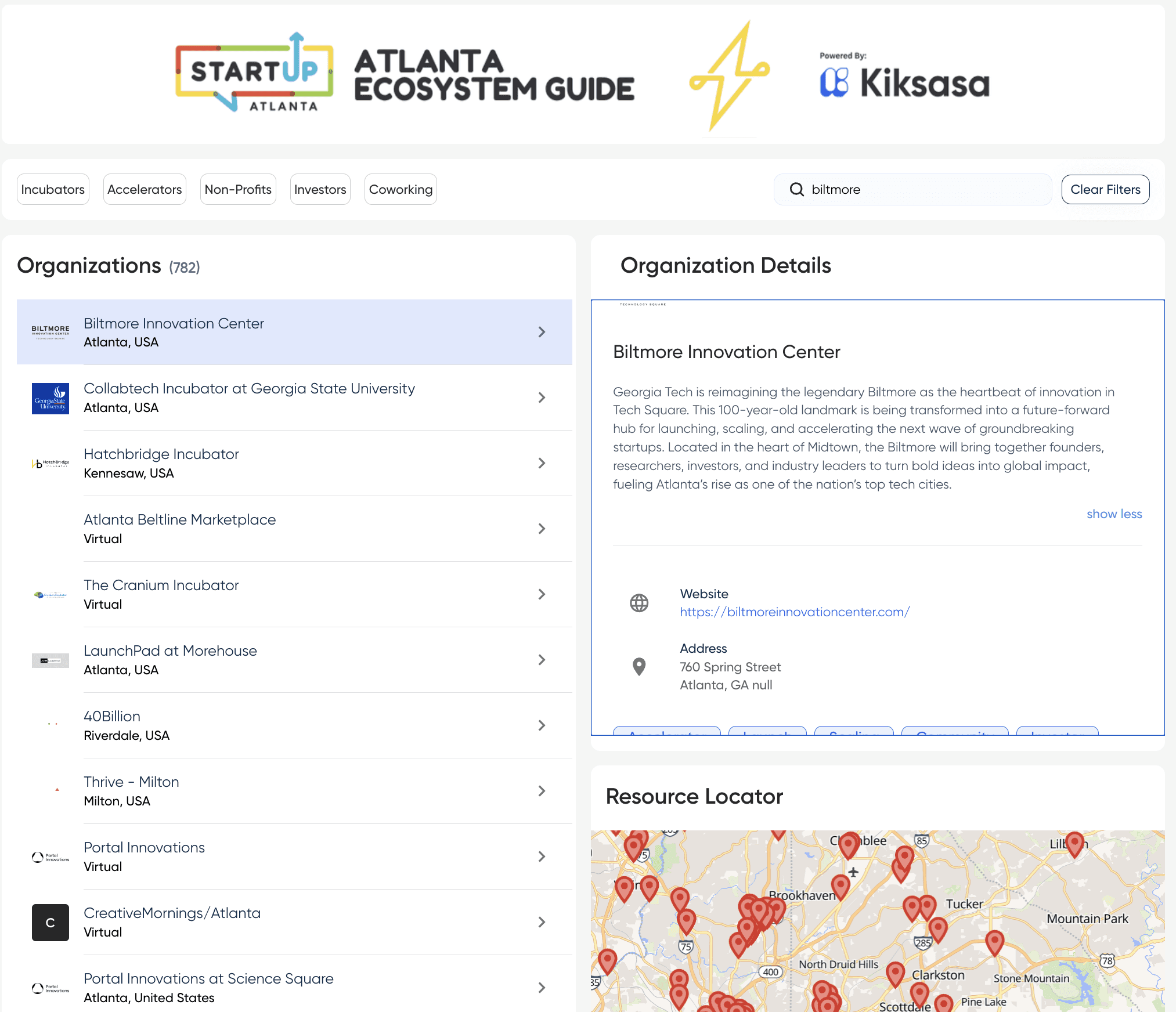
When a region has hundreds, or thousands, of organizations supporting entrepreneurship, a one-size-fits-all solution won’t cut it. Large metropolitan areas, statewide networks, national associations, and industry consortia need flexible, enterprise-grade infrastructure that can handle scale, privacy, branding, and bespoke workflows.
Kiksasa’s Metro / Custom Ecosystem option is built for exactly that. It’s the level of product and service you need when the stakes are civic impact, regional jobs, and long-term economic strategy.
Below is a practical, honest exploration of what these deployments look like, how they’re priced, and how civic and industry partners can use them to turn scattered programs into connected systems.
What “Metro-Sized” actually means
“Metro-Sized” is Kiksasa’s label for custom, enterprise deployments that support 500+ organizations across a region or network. This tier is for customers who need:
Enterprise-grade infrastructure and reliability
Custom reporting and analytics tied to local KPIs
White-label or co-branded experiences for the region or association
Strategic partnership arrangements and SLAs (service level agreements)
The practical difference between Large (251–500 orgs) and Atlanta-Sized (500+) is customization and ongoing operational partnership. The platform becomes a strategic asset, not merely a product.
Pricing: starting points and how to think about cost
Kiksasa lists custom pricing starting at $4 per organization for the Metro-Sized option. Enterprise pricing depends on scope: number of organizations, frequency of AI scanning, required custom modules, white-label requirements, and professional services for integration and onboarding.
How to estimate impact, not just cost:
A custom deployment priced at
$4/orgis intended as a baseline for high-volume networks. For 500 organizations, this starts as a straightforward reference point, but final quotes reflect implementation complexity.Think of the investment in terms of cost avoided: manual directory maintenance, repeated vendor contracts, duplicate event calendars, and the staff hours spent wrestling spreadsheets. Enterprise platforms often pay for themselves by centralizing these tasks and creating actionable data.
Kiksasa currently offers Early Adopter availability through December 31, 2025, a meaningful window for regions that want to launch fast and save on initial fees. Contact the Kiksasa team to get a tailored estimate (info@kiksasa.com).
Enterprise features that matter
Large regions need more than a public map. Here are the features that make Atlanta-Sized deployments enterprise-ready:
1. Enterprise-scale infrastructure & SLAs
Custom deployments include production-grade hosting, uptime SLAs, and priority incident response. This is essential for government or association platforms that must be available to constituents 24/7.
2. White-label & branding options
Regions can present a fully branded experience, a public ecosystem site that looks like the city, state, or association rather than a third-party portal. Embedding options (iframe or integration) keep the ecosystem inside existing web properties.
3. Custom reporting & KPIs
Enterprise customers receive bespoke data exports, de-identified aggregate analytics, and dashboards tuned to local KPIs, for example, startup retention, cross-program referrals, or grant impact. These reports serve funders, city councils, and investor partners.
4. Custom modules & integrations
Need a partner portal, a workforce matching widget, or a campus-specific module? Kiksasa supports custom module development, chatbots, calendar overlays, LinkedIn/organization feeds, and other integrations, so the platform fits how your region actually works.
5. Professional services & onboarding
Large deployments include white-glove onboarding: migration of existing directories, account provisioning, admin training, and a rollout plan tied to your events calendar. Typical large launches run on multi-week timelines, with an initial launch in 3–5+ days for standard configurations and longer for heavy custom builds.
6. Data governance & privacy controls
Kiksasa supports opt-in operational data sharing and aggregates/de-identifies data for ecosystem insights. For regions with GDPR or CCPA considerations, enterprise contracts can include specific privacy addenda and export controls.
Real use cases: who benefits and how
City / Metro Governments
Civic leaders use Metro-Sized deployments to centralize startup resources, show funders real impact, and coordinate institutions. Example: Kiksasa’s partnership with Startup Atlanta demonstrates how a city-level guide can scale, with 1,300+ entries, while staying publicly accessible.
Economic Development Agencies (EDPs)
EDPs can consolidate programs across departments, provide an official discovery layer for investors, and produce exportable metrics for grant applications or performance reporting.
University Consortia
Multiple campuses can share a single ecosystem to connect student founders, research projects, and spinouts to regional mentors and industry partners, without duplicating administration.
Industry Associations & Funders
Associations can white-label a community experience for members, embed private modules for grants or procurement, and run sector-specific analytics to demonstrate member ROI.
Questions your procurement team should ask
Before you buy, make sure you get clear answers on:
What’s included in “custom” vs. “baseline” pricing? (modules, integrations, professional hours)
What are the SLA terms for uptime and response? (response times for incidents, uptime guarantees)
How will data ownership and export work? (Can you extract your data at any time?)
What is the expected launch timeline for custom features? (3–5+ days vs. multi-week builds)
What training and ongoing support are provided? (admin training, helpdesk, dedicated account manager)
Are there references or case studies from similar deployments? (ask for regional examples)
Getting Started: Practical Next Steps
If you represent a civic agency, association, or regional network and you’re considering an enterprise ecosystem:
Map your stakeholders: who needs access, who will be admins, and who funds the platform.
Identify must-have integrations: Event systems, GIS layers, or educational platforms.
Collect sample data: existing directories, event lists, and partner contacts for migration.
Request an RFP or demo: ask Kiksasa for a tailored walkthrough and a sample SLAs/contract.
Plan for pilot & scale: begin with a targeted pilot (a district, a sector) and expand with a roadmap.
You can explore the live example in Atlanta at atlanta.kiksasa.com or reach out to the Kiksasa team at info@kiksasa.com to request details, a demo, or a custom quote.
Final word: enterprise ecosystem = civic infrastructure
An Atlanta-Sized ecosystem isn’t a product you bolt on. It’s civic infrastructure: discoverability, continuity, and measurable impact delivered as a service. For cities and regions that want the benefits of scale, visibility, data-driven policy, and collaboration, a custom deployment offers the control and partnership required to make that happen.
If your region needs a resilient, branded, and secure ecosystem, one that scales with your community and reports outcomes that matter, the Atlanta-Sized option is designed for you. Contact Kelly Flynn or Tim Chalk to arrange a demo and discuss custom options and SLAs: info@kiksasa.com or visit kiksasa.com.
Some Important Links:
Kiksasa Ecosystem - https://www.kiksasa.com
Atlanta Ecosystem Guide - https://atlanta.kiksasa.com
Startup Atlanta - https://startupatlanta.com
Contact us for a demo
We'd love to give you a tour!
We will never spam your Inbox.
Ready to transform your operations?
Proud Member of:

Socials









Kiksasa, LLC © 2026